
Our success is measured not just by what we deliver,
but by how we make our customers feel.
“Customer obsession means putting the customer’s needs, desires, and satisfaction at the forefront of all business decisions and actions” – -Forrester-
In every memorable travel experience, there is a moment that stays with the customer long after the journey ends—a thoughtful gesture, a timely solution, or a team member who went beyond the expected. These moments do not happen by chance. They are the result of a culture built on one powerful idea: Customer Obsession.
As defined by Forrester, it is about not only listening to customers, but anticipating, designing and solving on their behalf. It is a mindset that goes beyond service—it shapes how we think, act and deliver, every single day.

Core Principles
 This approach rests on a few simple but powerful principles. Every decision is made with the customer in mind. We strive to build deep understanding and empathy, truly knowing what matters to those we serve. We continuously innovate to enhance the experience, and we focus on building long-term relationships rather than one-time transactions.
Revenue Growth:
The impact of such a culture is both visible and measurable. Organisations that embrace customer obsession consistently outperform their peers—growing revenues faster, retaining customers longer, and building stronger, more loyal relationships. Loyal customers not only stay—they spend more, advocate more, and contribute to sustained growth. In fact, the cost of acquiring a new customer can be many times higher than retaining an existing one, making every positive experience an investment in the future.
In today’s environment, this matters more than ever. Customers are more informed, more connected, and more vocal. Most rely on peer recommendations and online reviews before making decisions, and a single experience—good or bad—can travel far and fast through social media. We are living in what is often called the trust economy, where consistent, positive experiences build trust, and trust drives advocacy and growth.
Yet, true customer obsession goes deeper than many realise. It is not simply about being customer-friendly or responsive. It is about embedding the customer into the very fabric of the organisation—where their voice influences product design, business strategy and everyday actions. It is not a programme or an initiative; it is a way of thinking.
It begins with empathy—understanding the customer’s perspective—and must always lead to action. One without the other has little value. It also requires that every individual in the organisation feels empowered to contribute. Customer obsession cannot sit within a single department; it must be owned by all.
Equally important is how we measure success. Beyond satisfaction scores, the real focus must be on customer outcomes—did we make a difference, did we solve a problem, did we create value? And above all, it calls for a long-term view, recognising that every interaction is an opportunity to strengthen a relationship.
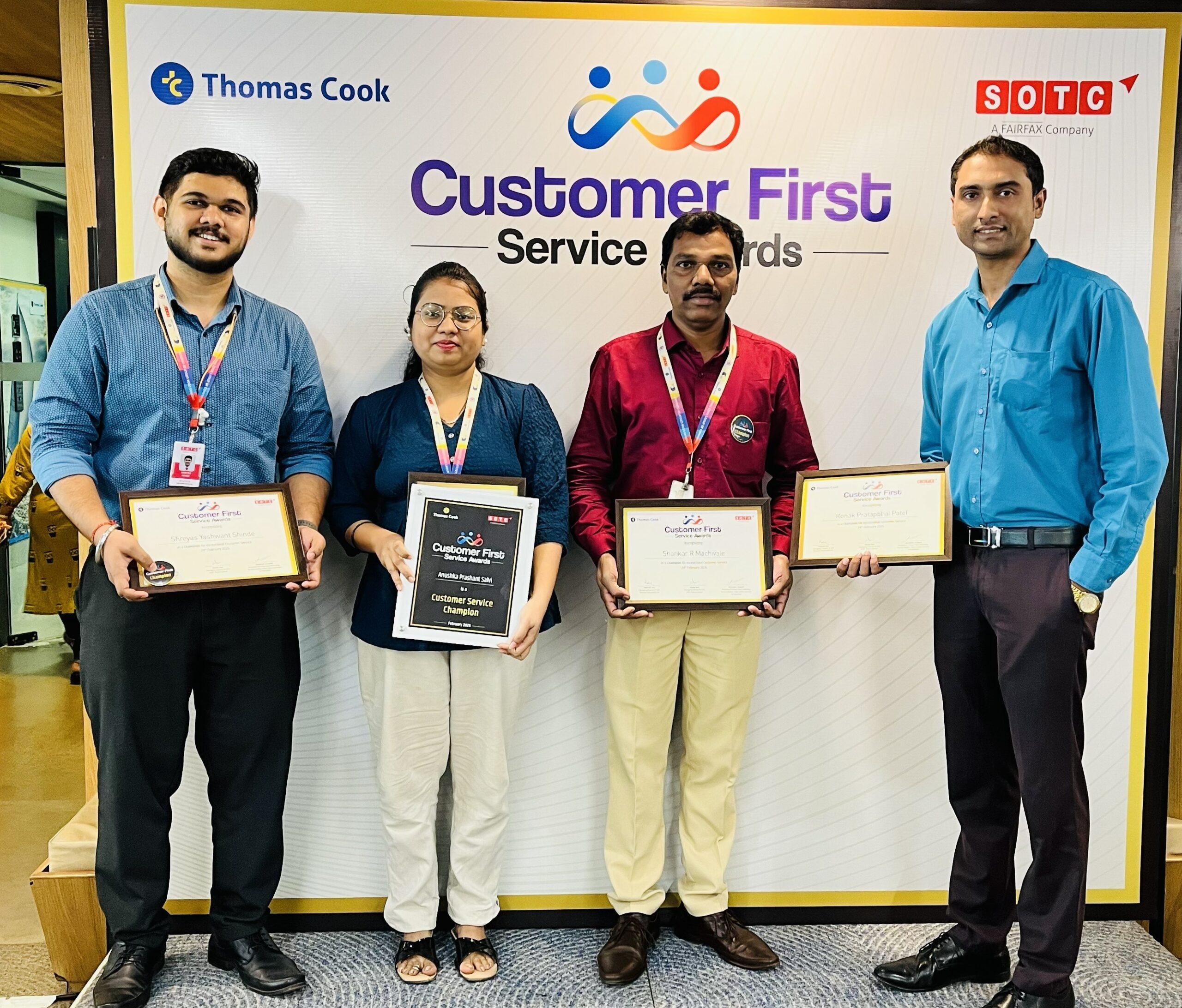
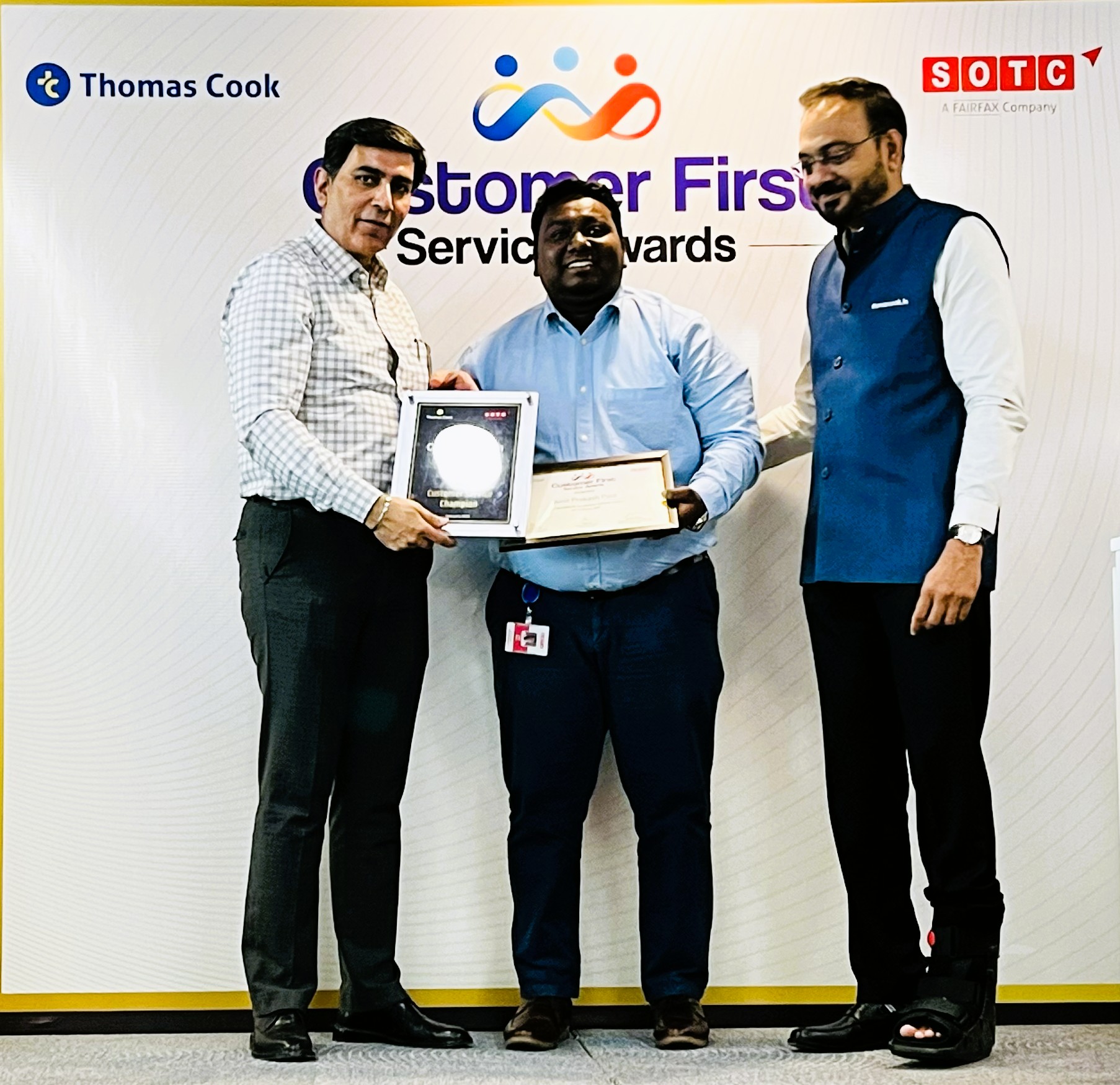
We celebrate individuals who have gone beyond the call of duty—who have listened more closely, acted more thoughtfully, and delivered experiences that truly mattered.
Because in the end, our success is not just built on what we do, but on how our customers feel. It is this shared commitment to going the extra mile that continues to set us apart.