
The first quarter of FY27 tested the travel and hospitality industry like few others in recent years. Geopolitical uncertainties and supply chain disruptions created operational challenges across the country. For Sterling, with resorts spread across some of India’s most remote destinations, the challenge was clear—ensure that guests continued to enjoy the same warm hospitality, despite circumstances beyond our control.
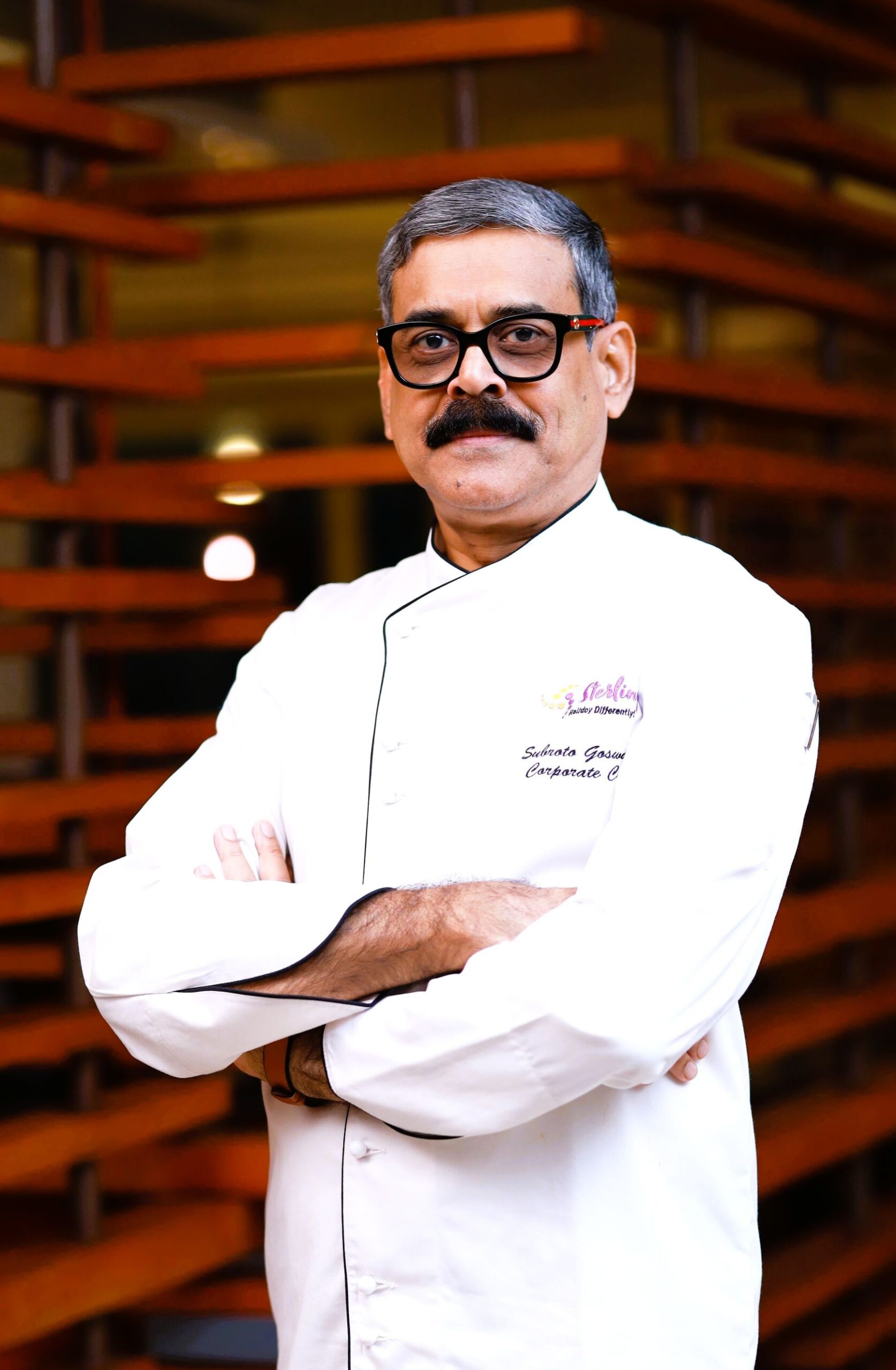
One of the biggest hurdles was the sudden shortage of LPG cylinders across several destinations. The shortage drove fuel costs up by over 30% year-on-year and forced many resorts to switch to alternate fuels, putting significant pressure on our F&B operations. Under the leadership of Corporate Chef Subroto Goswami, our culinary teams responded with remarkable agility. Menus were thoughtfully re-engineered to reduce fuel consumption, simplify kitchen operations and minimise dependence on live counters, while maintaining the quality and variety of the dining experience. Combined with tighter control over other kitchen consumables, these initiatives significantly cushioned the impact of the fuel crisis and helped contain the increase in food production costs.
Innovation quickly followed necessity. At Sterling Mussoorie, Regional General Manager Anurag Agrawal and Engineer Rajendra Singh swiftly transitioned key kitchen operations from LPG to induction cooking, ensuring uninterrupted service for guests. The success of this initiative has now made it a best practice, with several other Sterling resorts adopting the same approach.

Fuel availability also became a major operational challenge for our remote resorts, many of which depend on diesel generators because of frequent power interruptions. Mr. Balasubramanian, our Projects Head, led the effort to coordinate alternate fuel supplies across multiple locations while simultaneously accelerating Sterling’s longer-term initiatives on renewable energy through solar and wind power projects. Supporting him, our regional engineering teams—Rahul Kumar (North), Krishnaprasad (Kerala), Nagendra P.M. (West) and Chandrahas Vaidya (Goa)—worked relentlessly to source fuel locally, optimise generator efficiency through rigorous preventive maintenance and ensure uninterrupted resort operations during our traditionally busiest quarter.
What stood out was not just our response to the crisis, but the spirit behind it. Operations, Engineering, Projects, Procurement and F&B teams worked seamlessly together, sharing ideas, solving problems on the ground and transforming challenges into opportunities to improve the way we operate. Some of the innovations born out of necessity—from induction cooking to more efficient fuel management—are now becoming part of our standard operating practices.
The experience reinforced a simple truth: resilience is built long before a crisis arrives. Years of investing in stronger systems, operational excellence, a wider destination network and scalable capabilities meant that Sterling was prepared not only to navigate disruption but also to deliver its strongest quarter ever.
At Sterling, resilience is not measured by the challenges we face, but by the ingenuity of our people and their unwavering commitment to ensure that our guests never feel them.